Product Description
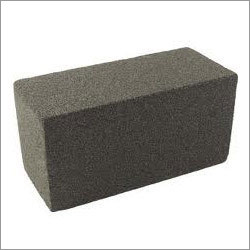
Insulating Fire Bricks
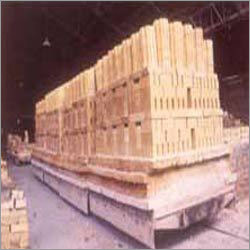
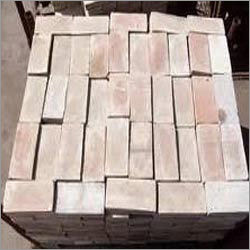
Insulating Fire Bricks are widely used for lining of various industrial furnaces and kilns in metallurgical industries, machine making industry, ceramic and chemical industries. Being known for their unique features such as low density, high insulation and low thermal conductivity, these bricks are highly demanded. Therefore, as a Manufacturer, Trader and Supplier of the refractory products, we have an extensive range of the Insulating Fire Bricks made from the finest material procured from the best vendors with the latest technologies. We have a qualified team to see the manufacturing and we provide high grade packaging.
Outstanding Thermal PerformanceInsulating Fire Bricks are renowned for their exceptional thermal insulation properties with conductivity as low as 0.25 W/mK at elevated temperatures. This efficiency translates to energy savings and improved safety in industrial heating systems.
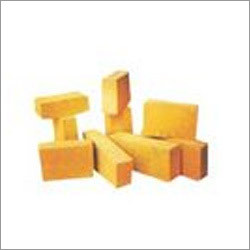
Superior Material CompositionMade from high-grade alumina silicate, these bricks maintain a pale yellow hue and contain less than 1.5% Fe2O3, ensuring optimal purity and refractoriness up to 1760C. Their robust structure delivers both low density and reliable mechanical strength.
Adaptable for Various ApplicationsAvailable in standard and customized dimensions, Insulating Fire Bricks are ideal for lining kilns, boilers, reactors, and furnaces, benefiting industries such as ceramics, metallurgy, and chemical processing throughout India.
FAQs of Insulating Fire Bricks:
Q: How do insulating fire bricks support energy efficiency in furnaces and kilns?
A: Insulating fire bricks have low thermal conductivity, ranging from 0.25 to 0.35 W/mK at 1000C, which significantly reduces heat loss and helps conserve energy in industrial furnaces and kilns.
Q: What materials and properties make these bricks suitable for high-temperature applications?
A: These bricks are crafted from alumina silicate, featuring high refractoriness up to 1760C, excellent thermal shock resistance, and a compressive strength that can reach 4 MPa, making them ideal for extensive thermal cycles.
Q: When should custom sizes of insulating fire bricks be considered in a project?
A: Custom sizes are recommended when standard brick dimensions do not fit the specific design requirements of your kiln, furnace, or reactor, ensuring proper insulation and structural integrity.
Q: Where are these insulating fire bricks most commonly used?
A: They are widely used in kiln linings, furnace insulation, boiler construction, and reactor walls within industries such as ceramics, metallurgy, and chemical processing.
Q: What is the process for installing insulating fire bricks in industrial settings?
A: Bricks are typically laid with specialized refractory mortar, ensuring tight jointing to prevent thermal leakage, followed by controlled heating to set the lining and optimize performance.
Q: How does the bricks porosity and water absorption affect its performance?
A: The high porosity (45%60%) enhances thermal insulation, while water absorption rates between 25% and 30% provide slight flexibility, contributing to the bricks resistance to thermal shock and longevity.
Q: What are the benefits of using alumina silicate insulating bricks over conventional firebricks?
A: Alumina silicate insulating bricks offer lower density, excellent thermal insulation, greater energy savings, and reliable performance at high service temperatures, making them superior for sophisticated industrial applications.






 Send Inquiry
 Send SMS
